Wind affects every lift, but large, light loads such as panels, formwork and wind-turbine components are especially vulnerable. A gust can swing a load, overload the crane sideways or make a precise landing impossible.
Use the right limits
The crane manufacturer sets the maximum in-service wind speed for each configuration. Some loads need a lower limit because of their large surface area. Record both limits in the lift plan.
Measure, don’t guess
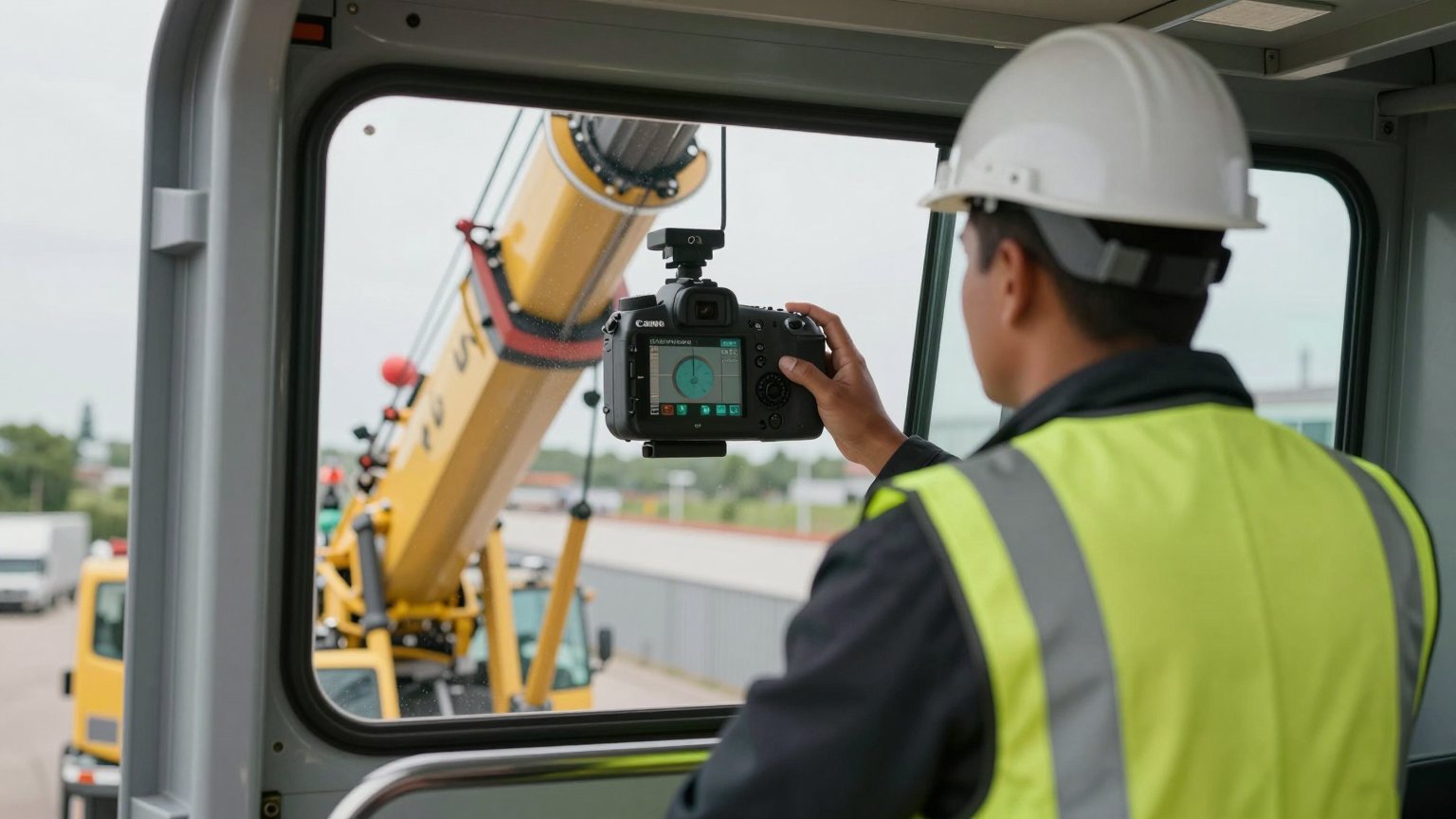
- Use the crane’s anemometer or a calibrated hand-held meter at a representative height.
- Watch for gusts, not just average speed.
- Check the forecast before the shift and again before critical lifts.
Agree the stop rule in advance
Everyone on the lift team should know the wind speed at which work stops and who makes that call. Deciding in advance removes pressure to “just finish this one”.
If the load starts to sail or the operator loses fine control, stop — whatever the meter says.